
10 Ways to Stay Healthy During Winter
Winter can be a wonderful season, bringing cozy nights by the fire, winter sports, and festive cheer. However, the cold weather and shorter days can also present challenges to maintaining good health. From the risk of catching colds and flu to the potential for seasonal mood changes, winter demands some extra care to stay feeling your best. Fortunately, there are plenty of ways to protect your health and stay energized throughout the colder months.
Book Your Appointment Now
Stay healthy this winter with 10 practical tips from TelePlus Care. Boost immunity, stay active, and protect your health during the colder months. Winter can be a wonderful season, bringing cozy nights by the fire, winter sports, and festive cheer. However, the cold weather and shorter days can also present challenges to maintaining good health.
Clinical content is reviewed for accuracy and scope. TelePlus Care appointments go ahead only when a doctor agrees it is the right call, after a real assessment, and the doctor will explain the next step if virtual care is not the right fit.
How Can You Maintain Your Health During the Winter Months?
Here are several strategies to help you stay healthy during winter. From boosting your immune system and staying active to managing stress and eating well, these practical tips will keep you feeling your best all season long.

1. Boost Your Immune System
During winter, your immune system can face additional stress from cold temperatures and a higher prevalence of seasonal illnesses. Studies suggest that a balanced diet rich in vitamins (such as Vitamin C and D) and minerals (such as zinc) helps bolster immune function. Vitamin D, which is often deficient in the winter due to reduced sunlight exposure, plays a crucial role in immune responses. A study published in The Journal of Clinical Endocrinology & Metabolism found that maintaining adequate levels of vitamin D can reduce the risk of respiratory infections.
- Eat a Nutrient-Rich Diet -- Focus on foods rich in Vitamin C, Vitamin D, and zinc to support immune function.
- Stay Hydrated -- Dehydration can be sneaky in winter since the cold air doesn't make us feel thirsty. Drinking enough water is important for overall health.
- Get Enough Sleep -- Sleep plays a crucial role in maintaining a healthy immune system. Aim for 7-9 hours of quality sleep per night.

2. Stay Active
Though winter's chill might make you want to stay indoors, it's important to maintain physical activity. Regular exercise helps keep your heart healthy, lifts your mood, and strengthens your immune system. A study from The American Journal of Preventive Medicine found that people who stay active during the winter months have lower rates of depression and anxiety.
- Outdoor Activities -- Outdoor winter activities like skiing or snowshoeing, as well as indoor exercises like yoga and aerobics, provide both physical and mental health benefits.
- Indoor Workouts -- If the weather is too harsh, try indoor workouts like yoga, pilates, or home fitness routines. Even simple exercises like walking or stretching can keep your body active and your joints flexible.

3. Dress Appropriately for the Cold
Proper winter clothing is essential to avoid cold-related illnesses like frostbite or hypothermia.
- Layer Up -- Dress in layers so you can easily adjust your clothing. Start with moisture-wicking base layers, add insulating layers for warmth, and finish with a waterproof, windproof outer layer.
- Wear Warm Accessories -- Don't forget your gloves, hats, scarves, and thick socks. Extremities like your fingers, toes, and ears are particularly vulnerable to cold weather.

4. Prevent Dry Skin
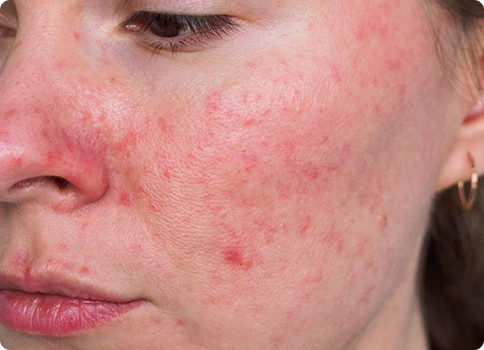
The cold air combined with indoor heating can make your skin dry and irritated. Here are a few tips to keep your skin healthy and hydrated.
- Use a Humidifier -- Indoor air can become very dry during winter. Using a humidifier can help maintain moisture in the air and prevent dry skin and irritated sinuses.
- Moisturize -- Apply a rich moisturizer to your skin after washing your hands or taking a shower to lock in moisture.
- Protect Your Lips -- The lips are particularly prone to chapping in the winter months. Use a lip balm with SPF and reapply frequently.

5. Stay Social and Combat Seasonal Depression
Seasonal affective disorder (SAD) is a form of depression that occurs at specific times of the year, particularly in the winter when there's less sunlight.
- Get Sunlight When Possible -- Sunlight is important for regulating your mood and maintaining vitamin D levels. Try to spend time outdoors during the day, even if it's just for a short walk.
- Consider Light Therapy -- If you struggle with SAD, a light therapy box can mimic natural sunlight and help lift your spirits during the darker months.
- Stay Connected -- Don't isolate yourself. Maintain your social connections through regular phone calls, video chats, or safe in-person meetups. Socializing can be a great mood booster.

6. Practice Good Hygiene
Winter is also the season for colds, flu, and other infections, so good hygiene is key to avoiding illness.
- Wash Your Hands Frequently -- Regular hand washing is one of the best ways to prevent the spread of germs. Use soap and water for at least 20 seconds.
- Disinfect Surfaces -- Cold and flu germs can linger on high-touch surfaces like doorknobs, light switches, and cell phones. Clean these areas regularly.
- Get Vaccinated -- Annual flu shots can help protect you from seasonal influenza. Check with your healthcare provider to ensure you're up to date on any other necessary vaccinations.

7. Eat Comforting, Healthy Foods
Winter often brings cravings for hearty comfort foods. While it's tempting to indulge in heavy, rich dishes, you can still enjoy comforting meals that nourish your body.
- Hearty Soups and Stews -- Make a large pot of vegetable soup or a lean meat stew. These dishes are easy to prepare, nutrient-dense, and can be frozen for later.
- Winter Greens -- Dark leafy greens such as kale, spinach, and collard greens are packed with vitamins and minerals. Add them to soups, casseroles, or smoothies.
- Spices and Herbs -- Warming spices like cinnamon, turmeric, ginger, and garlic not only add flavor but also have health benefits, including anti-inflammatory properties.

8. Manage Stress
Winter can sometimes bring increased stress, whether due to the holidays, lack of sunlight, or seasonal changes. Managing stress is essential for maintaining good physical and mental health.
- Practice Relaxation Techniques -- Incorporate relaxation methods such as deep breathing, meditation, or mindfulness into your daily routine.
- Stay Organized -- The holiday season can be hectic, so staying organized can help you manage your time effectively and reduce feelings of overwhelm.
- Take Breaks -- Make time for self-care. Whether it's reading a book, taking a bath, or simply resting, ensure you're taking regular breaks to relax and recharge.
9. Stay Hydrated
Dehydration is a common issue during the winter months because we don't feel thirsty as we do in the summer. However, keeping hydrated is essential for overall health, and it's just as important in the winter.
- Drink Warm Beverages -- Herbal teas, hot water with lemon, or even warm soups can help keep you hydrated while also providing comfort in the colder weather.
- Eat Water-Rich Foods -- Include hydrating foods in your diet like soups, fruits (apples, pears, oranges), and vegetables (cucumbers, celery).

10. Stay Mindful of Winter Weather Risks
Winter weather can bring hazards like icy sidewalks, slippery roads, and poor visibility, so staying cautious is important.
- Watch for Ice -- Be cautious when walking outside. Wear shoes with good traction, and take smaller steps to prevent slipping.
- Drive Safely -- If you need to drive in winter weather, make sure your vehicle is equipped with winter tires, and always check the weather forecast before hitting the road.
Expert Virtual Care: Stay Healthy This Winter with TelePlus Care
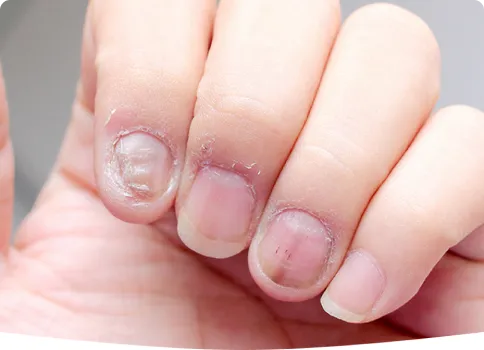
As winter settles in, maintaining your health can become more challenging, especially for those managing chronic conditions like asthma and arthritis, which can worsen significantly due to the colder weather and reduced activity levels. At TelePlus Care, we recognize the importance of personalized, consistent care during this season. That's why we offer Virtual Primary Care Services In Alberta, providing expert guidance to help you or your loved ones. No matter if it's managing nutrition, boosting immunity, or monitoring blood sugar levels, our team is here to ensure you receive the support you need from the comfort of home. Connect with us today and experience the convenience that comes with expert virtual care.

10 Ways to Stay Healthy During Winter — Fast, Convenient Virtual Care
Connect with a licensed healthcare provider from the comfort of your home. No referral needed — book your virtual appointment today.
Book Your Appointment NowExplore Our TelePlus Services






Teleplus care clinic is not an urgent care clinic. If you have an emergency please call911 or go to the nearest urgent care facility.